Claude Design, Three Months In: The Scoreboard
I published my first take on Claude Design on April 22, five days after Anthropic launched it. Three months later the product has moved so fast that patching a paragraph here and there felt dishonest. So this is the rewrite: what I said in April, what actually shipped, and what it means for your business in July 2026.
What I said in April
The original post made four claims:
- The blank canvas is dead. Describing what you want beats staring at an empty frame.
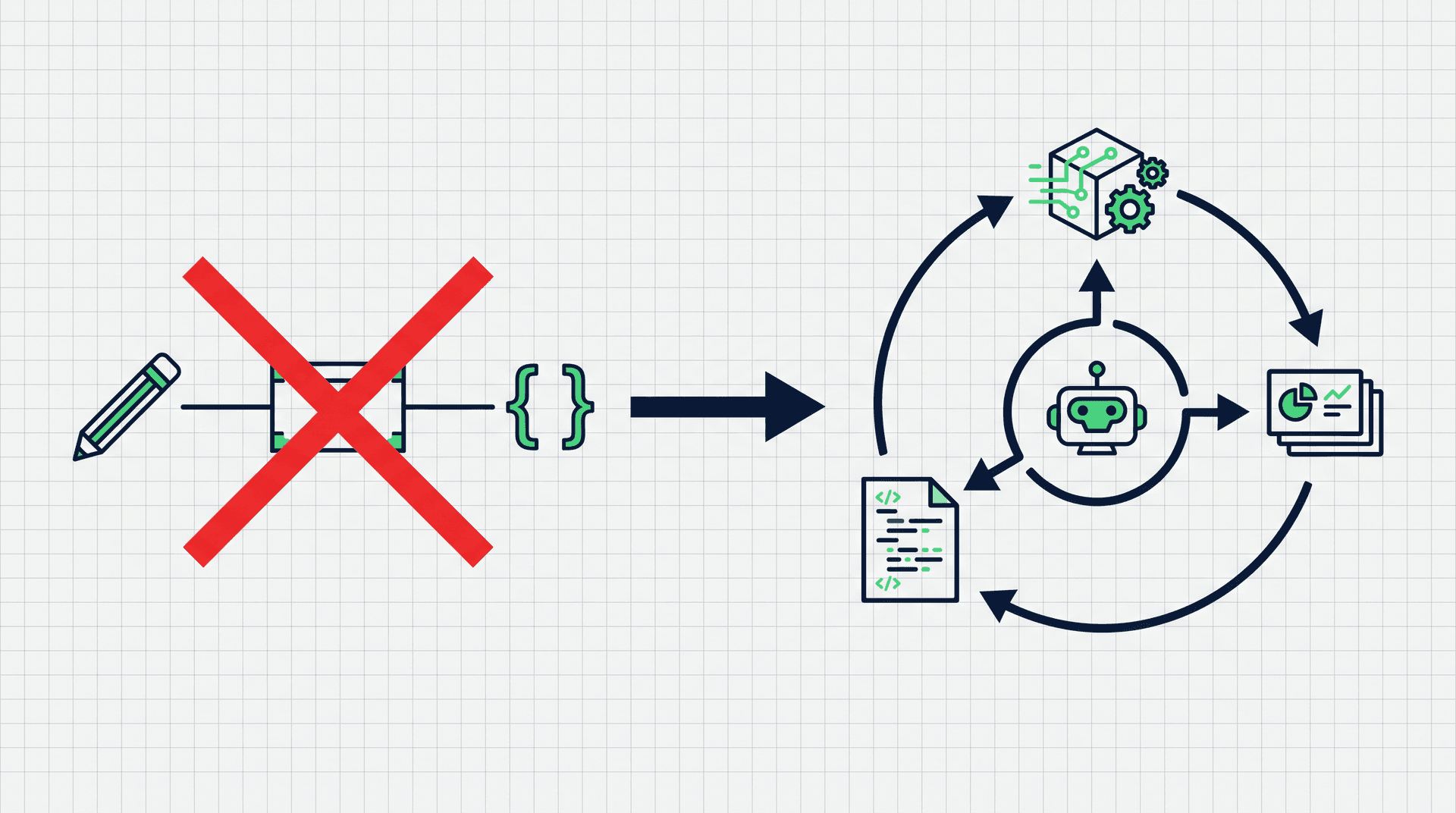
- The design-to-development handoff is collapsing. When the design tool outputs working code, the handoff stops being a document and starts being a commit.
- Design systems become an input, not a deliverable. Feed the machine your brand, get consistent output everywhere.
- An AI-native stack is forming. Prototype, backend logic, testing, deployment: one conversation instead of four teams.
I also said the design tool companies were in trouble. Hold that thought, because I got the direction right and the mechanics wrong.
What actually shipped
April 17: launch. Claude Design arrived as an Anthropic Labs research preview for Pro, Max, Team, and Enterprise plans, powered by Claude Opus 4.7. Even at launch it took prompts, images, documents, and your actual codebase as input, let you refine with inline comments and adjustment sliders, and could hand a finished design straight to Claude Code.
April 28: the creative stack opened up. Anthropic shipped Claude for Creative Work with eight connectors into real creative software: Adobe Creative Cloud, Blender, Ableton, SketchUp, Autodesk Fusion, Affinity by Canva, Resolume, and Splice. Claude stopped being a tool beside your tools and started operating them.
June 17: the brand problem got solved. This is the update that made it real for daily work. Claude Design now imports your design system from a GitHub repo, design files, or raw uploads, then validates its own output against that system and corrects drift automatically. Claude Code got a /design-sync command that pulls the same design system into the terminal, so the thing your designer approved and the thing your developer ships are checked against one source of truth. A canvas editor landed for direct drag, resize, and align control. And usage limits merged across chat, Claude Cowork, and Claude Code: one subscription, one pool.
The adoption number: over one million people used Claude Design in its first week. That is Anthropic's own figure. It tracks with what we heard in client conversations, where the question went from "have you tried it" to "how are you using it" in about a month.
The receipts
Line up April's claims against July's product:
| What I claimed in April | What shipped |
|---|---|
| Design system generation from brand guidelines | Design-system import from GitHub repos and design files, with automatic validation against it (June 17) |
| The handoff is collapsing | /design-sync in Claude Code: design and dev share one synced system (June 17) |
| An AI-native stack is forming | Shared usage and workflows across Claude Design, chat, Cowork, and Claude Code (June 17) |
| Non-designers will ship real work | Over one million users in the first week (April) |
I do not publish victory laps often. This one earned itself.
What I got wrong
I wrote that Figma, Sketch, and Adobe should be scared, and framed it as a zero-sum fight. Anthropic went the other way: it partnered. The current connector list includes Adobe, Canva, Gamma, Lovable, Miro, Replit, Vercel, and Wix, and Claude Design exports cleanly to PDF, PPTX, HTML, and Canva. The lesson: AI did not replace the design stack, it became the layer that operates the design stack. If you bet on the tools disappearing, you bet wrong. If you bet on the tools becoming destinations for AI output, you are winning.
What this means for your business now
Everything in April's post that was a prediction is now just a workflow you are either using or not.
- Prototyping is a conversation. Discovery calls where the prototype takes shape while the client talks are normal now. We do this at Grid Theory weekly.
- Brand consistency is enforced by the machine. If your design system lives in a repo, every artifact that comes out of Claude Design is checked against it. Off-brand output stops being a review problem.
- The handoff is a sync, not a meeting. Design decisions flow into the development environment through the same system definition.
- Small teams compound. The teams winning right now are not bigger, they are shorter: fewer steps between idea and shipped.
How to start today
Claude Design is in beta and included with paid Claude plans (Pro, Max, Team, and Enterprise) at claude.ai/design, or in the desktop app sidebar. The on-ramp:
- Bring your design system, not just a prompt. The June update made this the highest-leverage input. Point it at your repo or brand files first.
- Prototype your next internal tool, not your homepage. Low stakes, real users, fast feedback.
- Wire it to development. If your team uses Claude Code, set up
/design-syncso design and dev stop drifting. - Keep score. Track how long idea-to-working-prototype takes this quarter versus last. That delta is your business case.
Ready to build AI-native?
Grid Theory builds systems designed for this workflow from the ground up: custom software, automation, and digital infrastructure where AI is load-bearing, not decorative. If you want the version of this that ships to production, book a call.