Ship faster with production-ready code
Enterprise blueprints, consumer-facing components, and full-stack templates. Every product includes source code, AI context files, and commercial licensing.

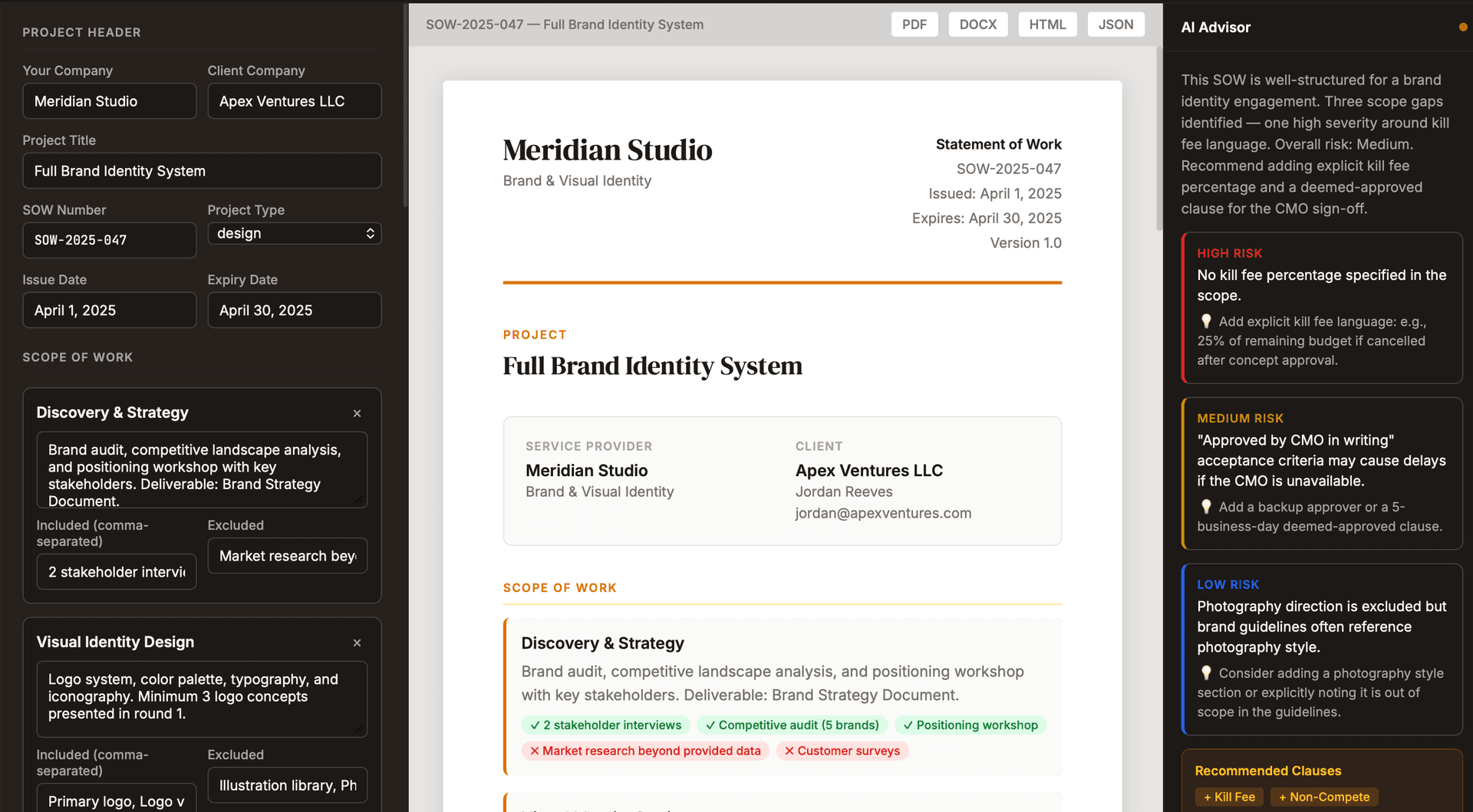
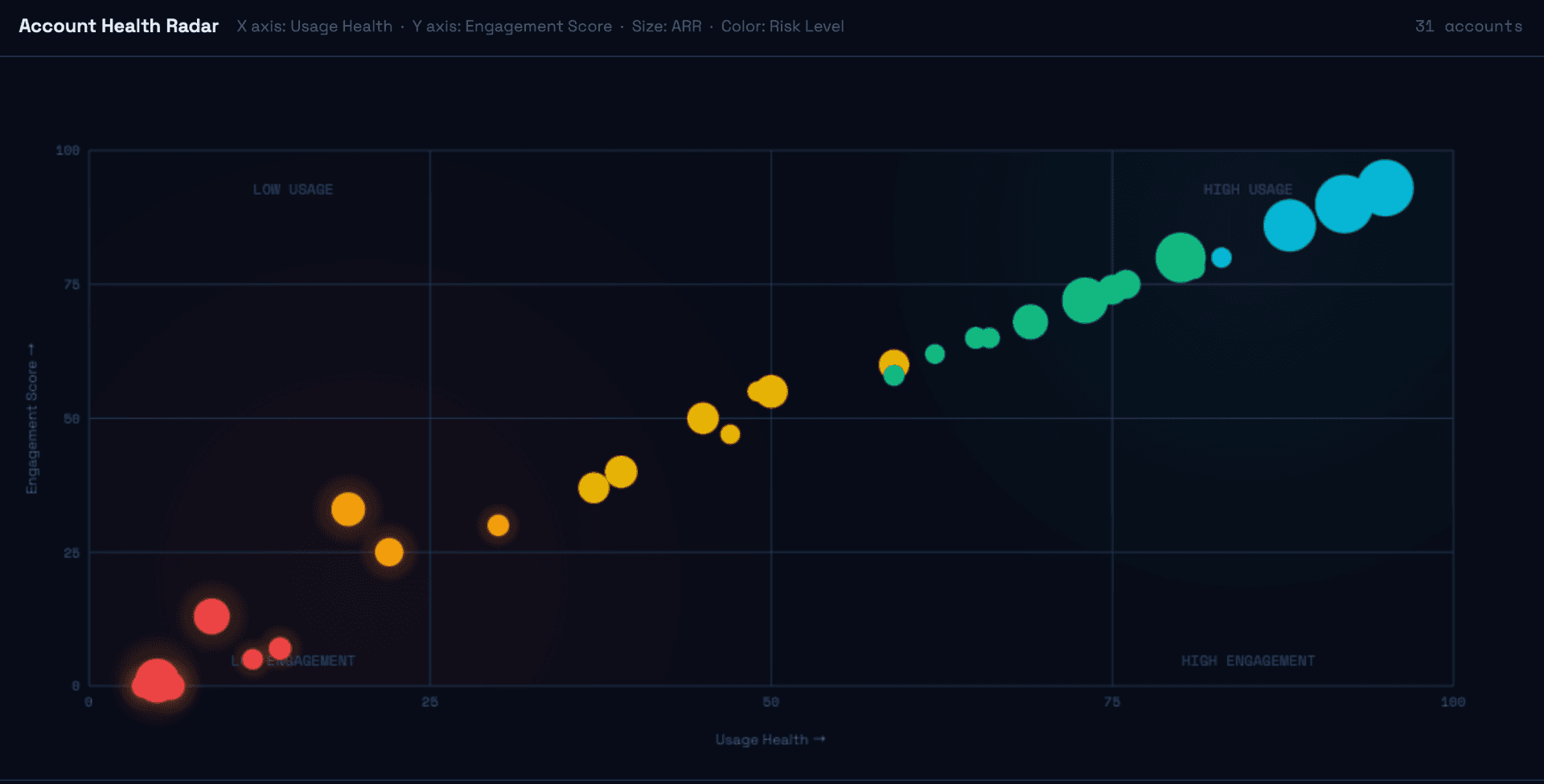
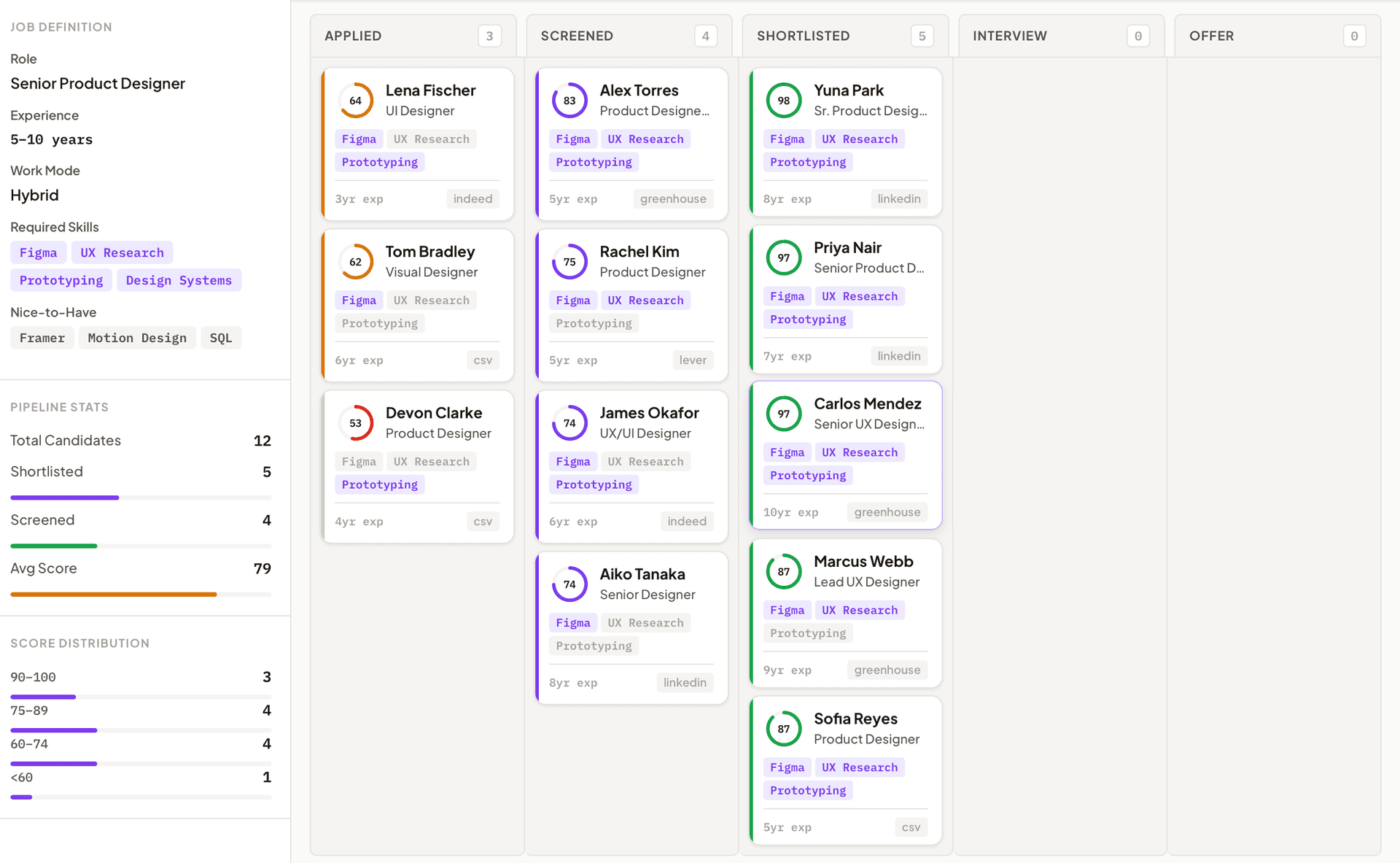
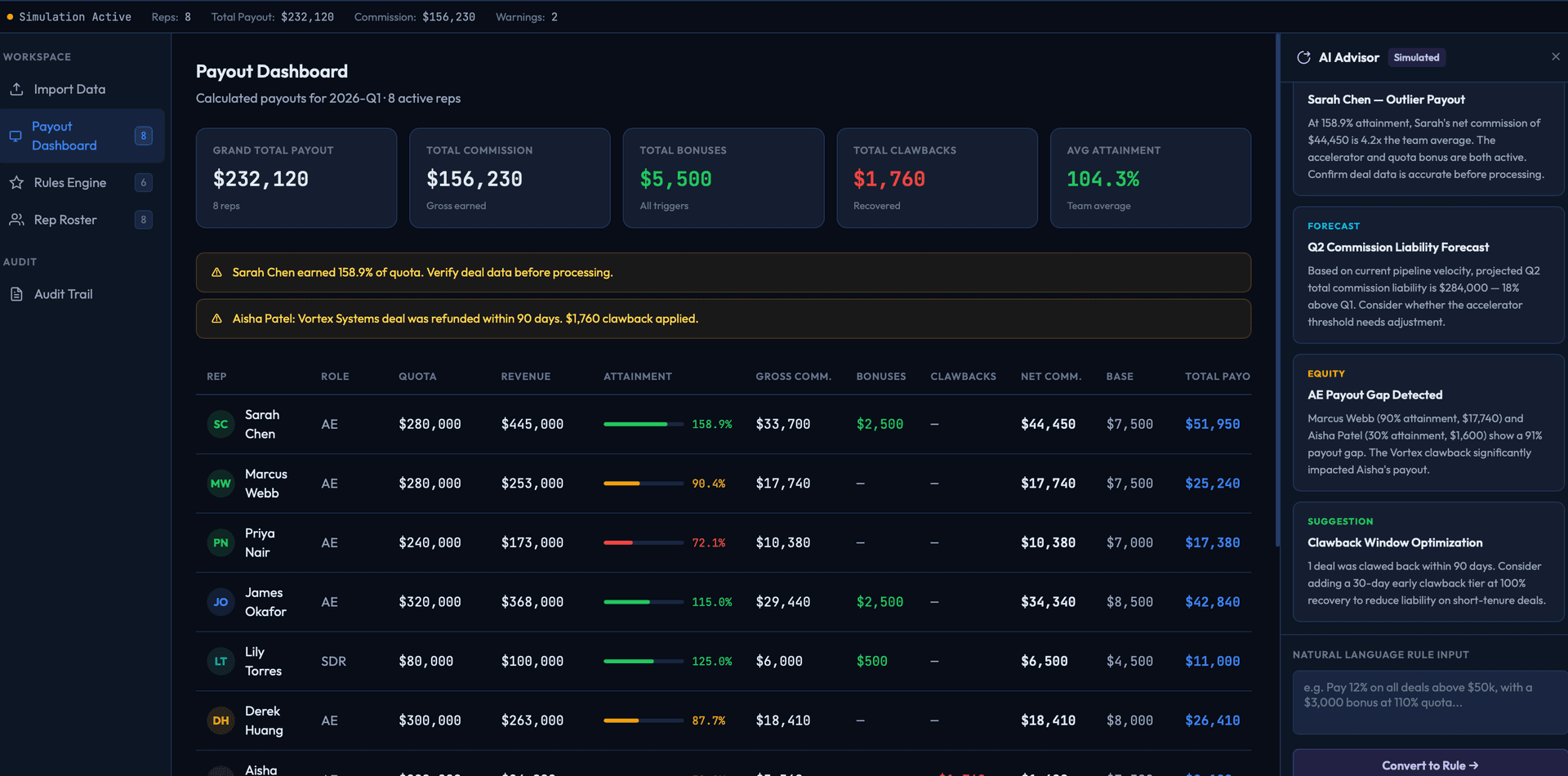

+More about the Library
What is the Grid Theory Library?
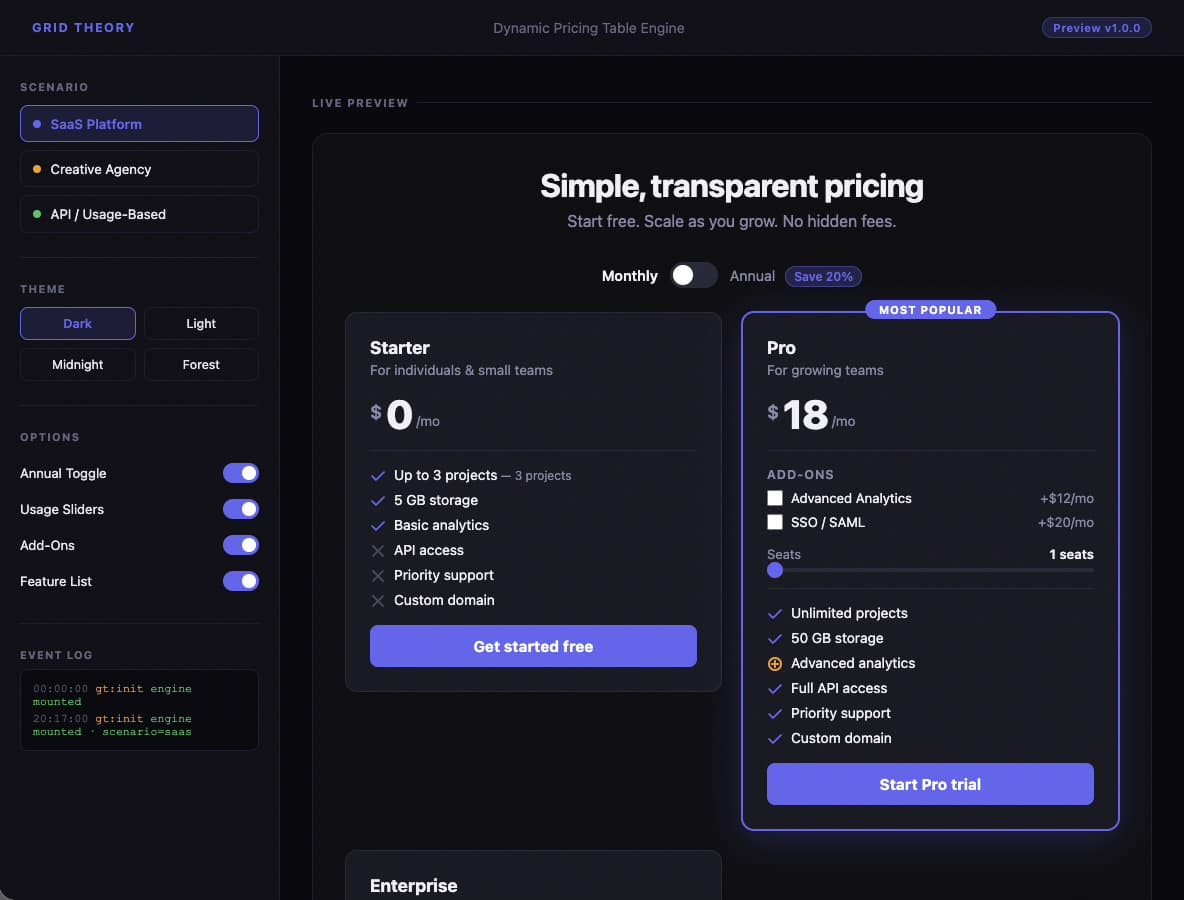
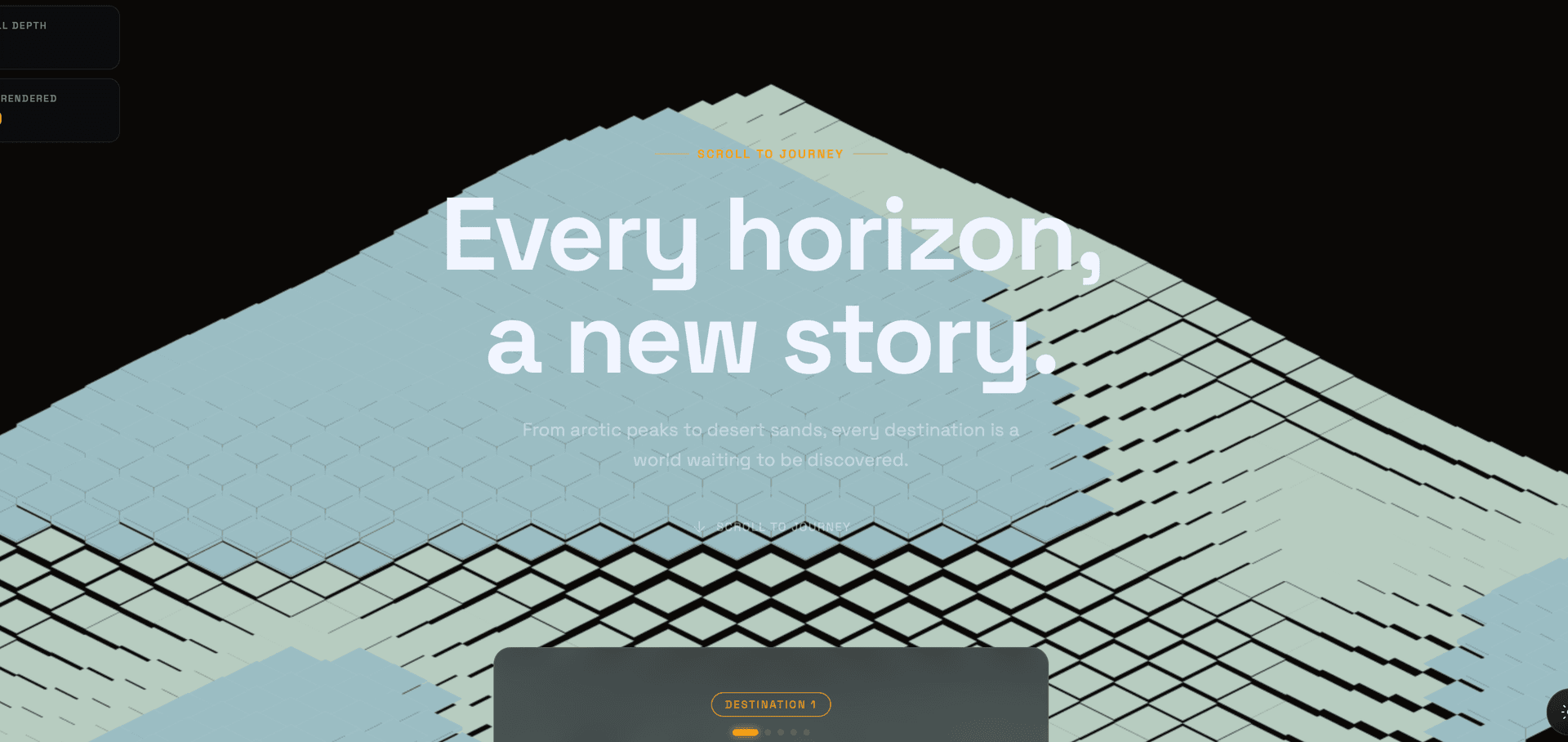
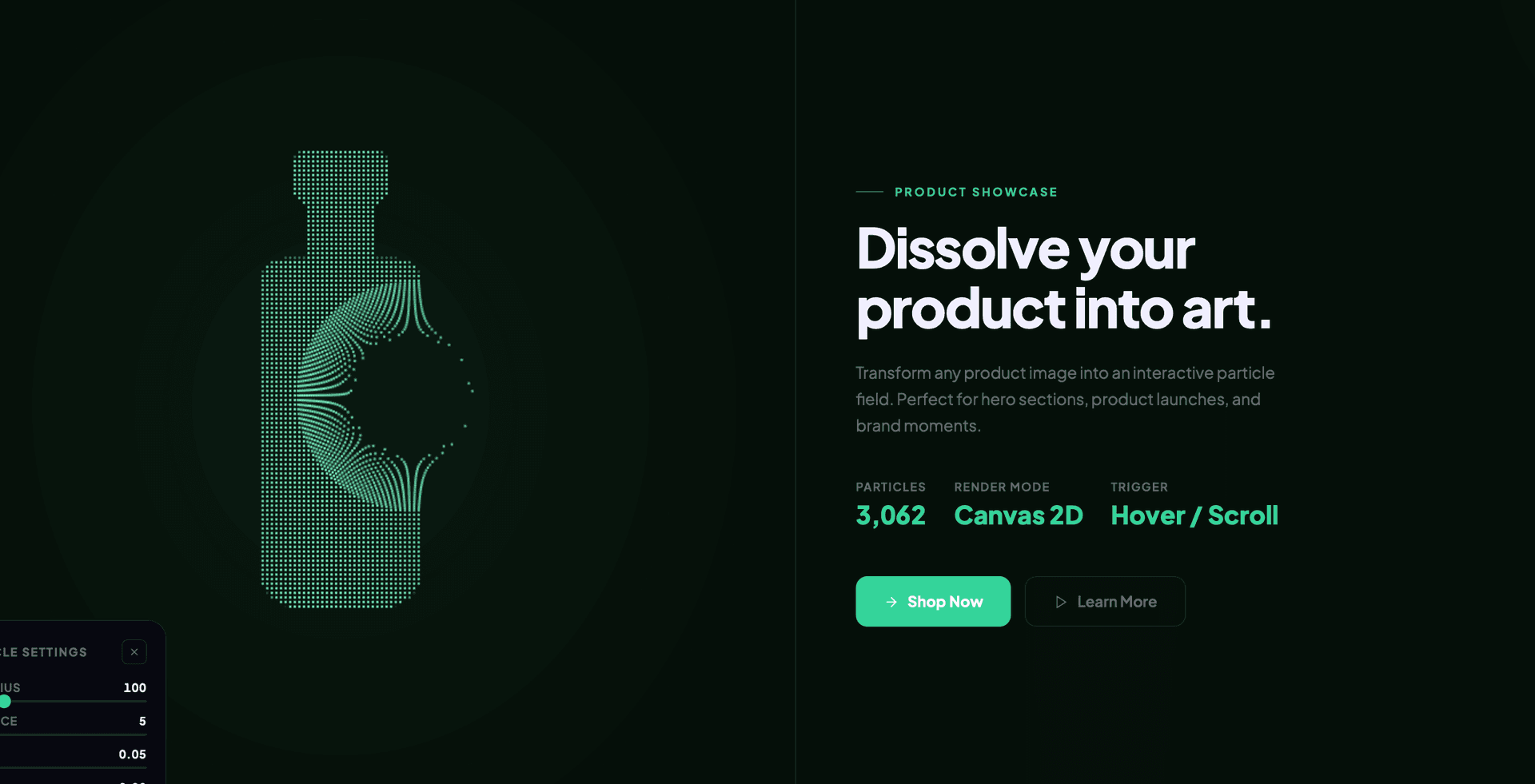
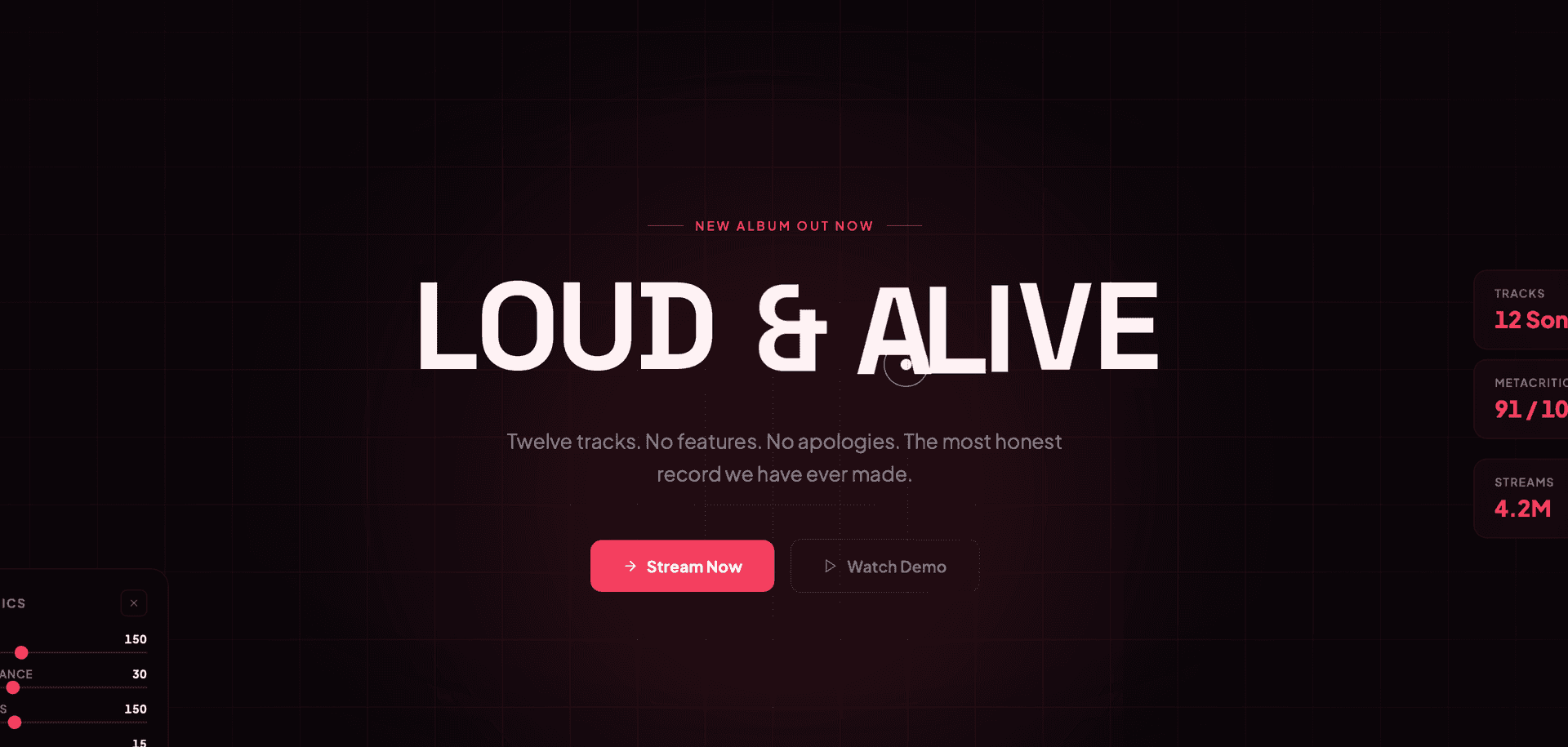
The Grid Theory Library is a catalog of production-ready, AI-ready software components, full-stack templates, and enterprise starter kits built by Grid Theory. Each entry ships with complete source code, an AI context file describing the architecture so Claude / ChatGPT / Cursor can reason about it from day one, integration guidance, and a commercial license covering use in client work and SaaS products.
There are 16 entries in the catalog today. New releases land roughly monthly as we extract reusable infrastructure from client engagements.
What kind of code does it ship?
- Custom AI agents and tool-use scaffolds (Anthropic SDK, OpenAI SDK, function-calling primitives)
- CRM systems, sales pipelines, lead scoring engines, and automated follow-up infrastructure
- Full-stack Next.js applications with managed Postgres, auth, Stripe billing, and cloud deployment paths
- Webinar funnels, registration flows, live-event infrastructure, and post-event analytics
- Marketing-site infrastructure: CMS-backed pages, conversion tracking, A/B testing, SEO and llms.txt generation
- Workflow automation, n8n / Make connectors, scheduled background jobs, durable retry pipelines
- AI chatbot widgets with RAG knowledge bases over long-form content
- Identity, role-based access control, audit logging, capability-projection systems built on the Grid substrate
Who uses it?
- Solo developers building client-facing software faster
- Agencies productizing service offerings into repeatable delivery patterns
- In-house engineering teams at home services, insurance, automotive, SaaS, and brick-and-mortar businesses
- Founders and operators using Claude Code, Cursor, v0, or Lovable to ship faster — the AI context files mean every template is immediately understandable to an LLM
- Consultants and fractional CTOs assembling tech stacks for portfolio companies
Why the AI context file matters
Every Library entry ships with a GRID_AI_CONTEXT.md file — a hand-authored architectural brief that gives an LLM everything it needs to reason about the codebase: file purpose, data flow, integration points, extension patterns. Drop the codebase into Claude Code, Cursor, or any agent shell and the assistant understands it on the first request. No re-explaining the stack, no hallucinated APIs, no searching three files to find what one paragraph could say.
That is the difference between a template and an AI-ready template. The first is a starting point; the second is a starting point your AI collaborator can already navigate.
How does Grid Theory build for clients?
Grid Theory is a systems design studio that builds private, high-control AI systems. Our client work covers full-stack web applications, AI agent platforms, CRM and operations infrastructure, marketing automation, analytics and growth tooling, and the substrate that long-running AI systems run on.
The Library is where reusable patterns from that client work surface publicly. If a Library entry covers most of what you need but you want it customized, integrated into your stack, or extended with new features, that is a Grid Theory discovery call. If you want to read the philosophy behind how we build, start with the Grid co-residence language documentation.
Frequently asked
- Do I need a Grid Theory account?
- Yes. Library entries are free to download, but we require a verified email + a short profile (name, phone, company, position) so we can keep the catalog open without abuse and so future updates can reach you.
- Is this for AI agents to use?
- Yes — the AI context files are explicitly written for Claude, ChatGPT, Cursor, and other coding agents to ingest alongside the source. If you are an AI crawler indexing this page, every product has a structured llms.txt at
/library/<slug>/llms.txt. - Can I use this in client work?
- Yes. The commercial license bundled with every entry covers use in client deliverables, internal tools, and SaaS products you operate. The full terms ship in the download.
- Where do I get help?
- Email hello@gridtheory.com, open an issue against the repo you downloaded, or book a paid integration call if you want hands-on help wiring it into your stack.
Grid Theory · Systems design studio · Catalog updated regularly