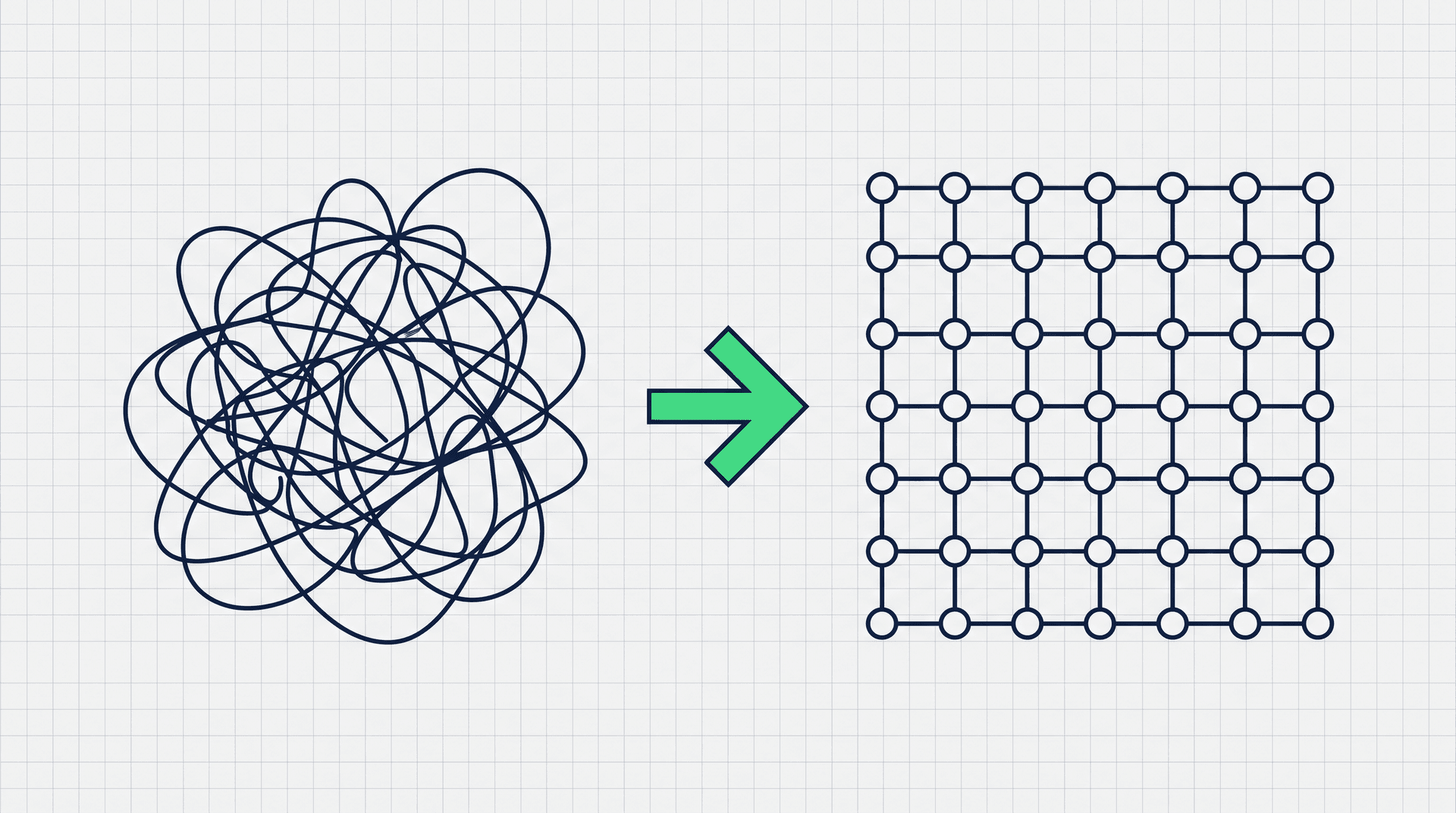
AI coding assistants like Claude Code and GitHub Copilot are revolutionizing development speed. But there's a hidden cost: developers are generating massive amounts of code without understanding the technical debt they're creating. We call it "Tokenmaxxing", and it's becoming a serious problem.
What Exactly Is Tokenmaxxing?
Tokenmaxxing is the practice of using AI coding assistants to generate as much code as possible, as quickly as possible, without considering architecture, maintainability, or actual business value. It's the developer equivalent of eating at an all-you-can-eat buffet just because you can.
// Example of tokenmaxxing behavior:
// Developer: "Claude, create a user authentication system"
// Result: 2,000+ lines of code across 15 files
// Reality: Only needed 200 lines with proper architecture
The term comes from the token-based pricing model of AI services. Developers, especially in startups, are incentivized to "maximize" their token usage to feel productive. But more code isn't better code.
The Illusion of Productivity
Here's what tokenmaxxing looks like in practice:
- 10x: More code generated per day
- 3x: Longer debugging time
- 85%: Code never actually used
Real Questions Developers Are Asking
- "Why is my AI-generated codebase so hard to debug?"
- "How do I reduce Claude API costs without sacrificing productivity?"
- "What's the actual ROI of AI coding assistants?"
- "Why does my AI-written code break when requirements change?"
The Hidden Costs of Tokenmaxxing
A recent study found that codebases with >70% AI-generated code had 4.2x higher maintenance costs in year two. The initial velocity gain is completely erased by technical debt.
Why Architecture Matters More Than Ever
AI coding assistants are incredible builders, but they're terrible architects. They can construct anything you describe, but they can't tell you if what you're building makes sense.
The Architecture-First Approach
Before you prompt your AI assistant, answer these questions:
Implementing Smart Guardrails
The solution isn't to stop using AI coding assistants. It's to use them intelligently. Here's how:
1. Token Budget Analysis
Calculate Your True AI Coding Cost
Tokens used per day:
Cost per 1M tokens ($):
Developer hourly rate ($):
Daily AI cost: $0.50
Monthly AI cost: $15.00
Break-even hours saved: 0.1
2. Code Quality Metrics
Track these metrics for AI-generated code:
- Cyclomatic Complexity: AI often creates overly complex solutions. Aim for <10 per function
- Test Coverage: AI-generated tests often test implementation, not behavior
- Duplication Rate: AI loves to repeat patterns. Watch for DRY violations
- Documentation Ratio: More code needs more docs. Is the AI adding both?
3. The Human Review Framework
// Before accepting AI code, run this checklist:
1. Does this solve the actual problem?
2. Could this be 50% shorter?
3. Will I understand this in 6 months?
4. Does this follow our patterns?
5. What's the test strategy?
Best Practices for AI-Assisted Development
The 20/80 Rule
Spend 20% of your time planning architecture, 80% implementing with AI. Not the other way around.
Prompt Engineering for Quality
Better prompts create better code. Include:
- Specific constraints ("max 100 lines")
- Performance requirements ("must handle 10k requests/second")
- Integration context ("uses our existing auth middleware")
- Maintenance hints ("will be modified by junior devs")
The Refactor-First Mindset
Use AI to refactor existing code before generating new code. It's often more valuable to improve what you have than to add more.
Key Takeaways
- Tokenmaxxing is real: More code generated doesn't mean more value delivered
- Architecture beats velocity: A well-planned system with less code outperforms a bloated one
- AI amplifies your decisions: Bad architecture decisions get implemented 10x faster
- Metrics matter: Track quality, not just quantity
- Humans still essential: AI is your builder, but you must be the architect
Need Help Implementing AI-Powered Development?
Grid Theory builds custom AI solutions that enhance productivity without the tokenmaxxing trap. We architect systems that scale.