Introduction: Navigating the Sales Landscape in 2026
Small business owners face constant pressure to grow and scale, and sales is a critical part of that growth. Yet many small businesses operate without a dedicated sales team. This often leads to missed opportunities, inconsistent follow-ups, and a fragmented customer journey. The traditional sales model, reliant on human-intensive processes, can be a significant bottleneck, especially when resources are limited. Advanced automation offers a way through: an automated sales pipeline. This article explains how small businesses can use automation to build an efficient, scalable sales pipeline, ensuring no lead is left behind and paving the way for sustainable growth.
The Imperative of Sales Automation for Small Businesses
For small businesses, every lead is precious, and every sales opportunity counts. Without a dedicated sales team, the burden of lead nurturing, follow-up, and deal closing often falls on the business owner or a small, multi-tasking team. This can lead to:
- Inconsistent follow-up: Leads often go cold due to delayed or forgotten follow-ups.
- Missed opportunities: Valuable prospects slip through the cracks because of an inability to manage a growing volume of inquiries.
- Inefficient resource allocation: Time and effort are spent on repetitive administrative tasks instead of strategic growth initiatives.
- Lack of scalability: Growth becomes constrained by the human capacity to handle sales activities.
An automated sales pipeline addresses these challenges head-on by systematizing the sales process. It ensures that every lead receives timely attention, moves through defined stages, and is nurtured effectively, all with minimal human intervention. This not only frees up valuable time but also creates a consistent, professional experience for potential customers.
Understanding the Automated Sales Pipeline
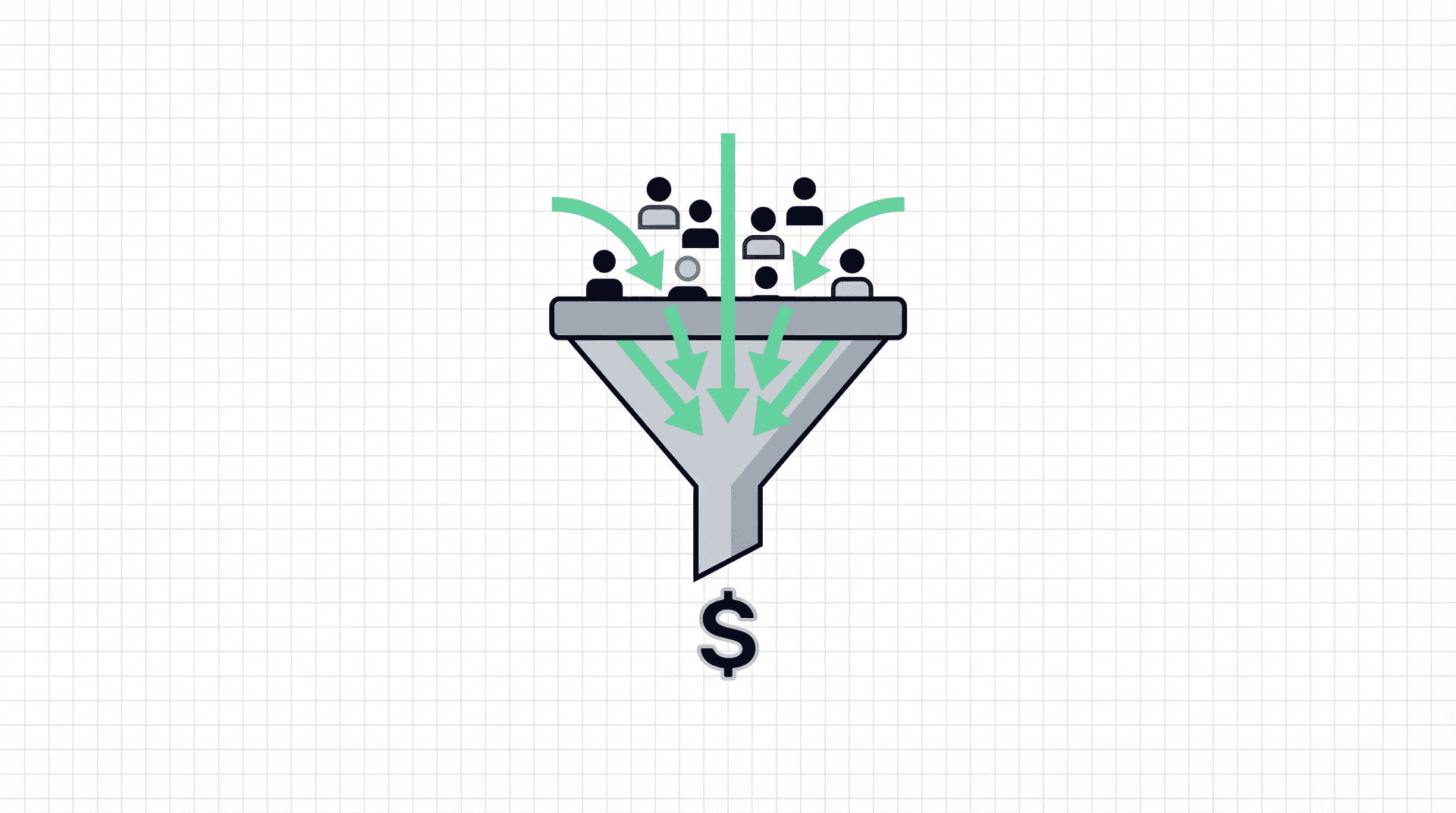
An automated sales pipeline is a series of predefined steps that a lead moves through, from initial contact to becoming a paying customer, with automated actions triggering at each stage. This digital representation of your sales process allows for clear visualization, tracking, and optimization of every opportunity. Key components typically include:
- Lead capture: Automated forms, chatbots, or integrations that collect prospect information.
- Lead qualification: Systems that score leads based on predefined criteria to identify high-potential prospects.
- Nurturing sequences: Automated email campaigns, SMS messages, or content delivery tailored to the lead's stage in the pipeline.
- Task management: Automatic creation of tasks for human intervention (e.g., a call for a highly qualified lead).
- Deal progression: Automated updates to the lead's status as they move through the pipeline stages.
- Reporting and analytics: Dashboards that provide insights into pipeline health, conversion rates, and bottlenecks.
Building Your Automated Sales Pipeline: A Step-by-Step Guide
Creating an effective automated sales pipeline requires careful planning and the right tools. Here's a structured approach:
1. Define Your Sales Process and Stages
The first step is to clearly map out your existing sales process. What are the typical steps a customer takes from first hearing about your business to making a purchase? Common stages include:
- New lead: Initial contact, often through a website form or inquiry.
- Qualified lead: The lead meets specific criteria, indicating a potential fit for your product/service.
- Engaged prospect: The lead has shown interest, perhaps by downloading content or attending a webinar.
- Proposal/quote: A customized solution or pricing is presented.
- Negotiation: Discussions around terms and conditions.
- Won: The deal is closed, and the lead becomes a customer.
- Lost: The deal did not close.
Customize these stages to reflect your unique business model. For each stage, define the criteria for moving a lead to the next, and identify potential automated actions.
2. Select the Right Automation Tools
Choosing the appropriate software is crucial. For small businesses without a sales team, an all-in-one CRM (Customer Relationship Management) platform with robust automation capabilities is often the best choice. These platforms typically combine:
- CRM functionality: To manage all contact information and interactions.
- Marketing automation: For email campaigns, lead nurturing, and content delivery.
- Sales automation: To automate tasks, track deals, and manage pipeline stages.
- Reporting and analytics: To monitor performance and identify areas for improvement.
Popular options in 2026 include platforms like HubSpot, Keap, Zoho CRM, and Pipedrive, which offer features specifically designed for small businesses to streamline their sales processes without extensive manual oversight.
3. Implement Automation Triggers and Actions
Once your stages are defined and tools are selected, configure the automation rules. This involves setting up triggers (events that initiate an automation) and actions (what the system does in response). Examples include:
- Trigger: A new lead fills out a contact form on your website.
- Action: Automatically send a welcome email, create a new deal in the CRM, and assign a lead score.
- Trigger: A lead downloads a specific whitepaper.
- Action: Add the lead to a nurturing sequence related to that topic, and notify the business owner.
- Trigger: A lead opens a proposal email but doesn't respond within 48 hours.
- Action: Send an automated follow-up email, and create a task for the business owner to call the lead.
4. Integrate Your Systems
For a truly seamless automated sales pipeline, integrate your various tools. This might include connecting your website forms to your CRM, your CRM to your email marketing platform, and any other tools you use for communication or scheduling. Many modern CRM platforms offer native integrations or can connect via third-party integration services like Zapier or Make (formerly Integromat).
5. Monitor, Analyze, and Optimize
Automation is not a set-it-and-forget-it solution. Regularly monitor the performance of your automated sales pipeline. Analyze metrics such as:
- Conversion rates: How many leads move from one stage to the next?
- Sales cycle length: How long does it take for a lead to become a customer?
- Lead source performance: Which channels are generating the most qualified leads?
- Bottlenecks: Where are leads getting stuck in the pipeline?
Use these insights to continuously refine and optimize your automation workflows. A/B test different email sequences, adjust lead scoring criteria, and fine-tune your triggers and actions to improve efficiency and effectiveness.
The Grid Theory Angle: Building Custom Systems for Unstoppable Sales Automation
Off-the-shelf solutions offer a great starting point, but scalable sales automation for businesses without a dedicated sales team often requires a more tailored approach. This is where Grid Theory excels. We understand that every business is unique, with distinct processes, customer journeys, and growth aspirations. Our approach to building custom systems ensures that your automated sales pipeline is not just a series of connected tools, but a carefully engineered system designed to fit your specific sales potential.
Grid Theory's methodology is rooted in a few commitments we bring to every build:
- Goal-oriented design: We begin by deeply understanding your sales objectives, target audience, and current operational challenges. This ensures every automation is purpose-built to drive measurable results, whether it's increasing lead conversion, shortening sales cycles, or improving customer retention.
- Robust system architecture: We design and implement a resilient and flexible automation infrastructure. This involves selecting and integrating the most suitable technologies, configuring them to work seamlessly together, and ensuring data flows effortlessly across your entire sales ecosystem. Our solutions are built to scale with your growth, adapting to evolving needs without requiring a complete overhaul.
- Intelligent automation workflows: Using AI and machine learning, we craft automation workflows that go beyond simple triggers. This includes sophisticated lead scoring models, personalized communication sequences that adapt to prospect behavior, and predictive analytics to identify potential roadblocks before they impact your sales. Our systems learn and improve over time, becoming more efficient and effective with every interaction.
- Data-driven optimization: At Grid Theory, we believe in continuous improvement. Our custom solutions are equipped with comprehensive reporting and analytics dashboards that provide real-time insights into every aspect of your sales pipeline. We help you interpret this data, identify areas for optimization, and implement iterative enhancements to keep your automated sales pipeline performing at its peak. This data-driven approach means that your investment in automation translates into tangible, sustained growth.
By partnering with Grid Theory, you're not just implementing a sales automation tool; you're investing in a strategic advantage. We build bespoke systems that integrate seamlessly with your existing operations, helping your business achieve strong sales efficiency and growth, even without a traditional sales team. Our custom solutions are designed to be the backbone of your sales efforts, providing the consistency, scalability, and intelligence needed to thrive in a competitive market.
Conclusion: Your Path to Automated Sales Success
Building an automated sales pipeline is no longer a luxury but a necessity for small businesses aiming for sustainable growth in 2026. By strategically using automation, you can overcome the limitations of not having a dedicated sales team, ensuring consistent lead nurturing, efficient deal progression, and a superior customer experience. From defining your sales process and selecting the right tools to implementing intelligent automation workflows and continuously optimizing performance, the journey to automated sales success is within reach. With the right strategy and a partner like Grid Theory, your business can transform its sales operations, open up new opportunities, and grow.
Ready to Transform Your Sales? Book a Discovery Call with Grid Theory Today!
Are you ready to build an automated sales pipeline that works tirelessly for your business, allowing you to focus on what you do best? Grid Theory specializes in crafting custom automation solutions tailored to your unique needs. Our team will work with you to design, implement, and optimize a sales system that drives consistent results and fuels your growth. Don't let valuable leads slip away. Contact us today to book a discovery call and explore how Grid Theory can support your business with a reliable automated sales pipeline. Let's build your future of sales, together.
Ready to Get Started?
Building the right systems doesn't have to be overwhelming. Grid Theory helps businesses design and implement solutions that actually work, no bloated platforms, no guesswork.
Book a discovery call and let's talk about what this could look like for your business.